

13 November 2025
The 2026 Regulatory Checklist: IAS39, KARBV, PRIIPs and Beyond

Regulatory compliance has become one of the most resource-intensive operational burdens for European financial institutions. According to a European Commission study, ongoing compliance costs now average over 3.8% of operational costs for asset management firms, with the burden increasing as frameworks evolve and enforcement intensifies.
For fund administrators, compliance officers and reporting teams, the challenge is building infrastructure that adapts without constant manual intervention or spiralling costs. Manual processes and fragmented data sources create operational bottlenecks, audit risks and leave teams perpetually reactive.
This guide addresses the critical regulatory frameworks affecting European asset managers, custodian banks and insurance companies in 2026.
The Regulatory Landscape: What's at Stake
Failed audits and regulatory penalties are costly, with analysis by Fintech Global showing the financial impact of non-compliance is around 2.7 times greater than the cost of maintaining a robust compliance programme.
European regulatory bodies are intensifying scrutiny on valuation accuracy for illiquid instruments, pricing transparency, transaction cost disclosures and sustainability claims. Disconnected systems and opaque models make it difficult to demonstrate compliance effectively.
Your 2026 Regulatory Compliance Roadmap
1. IAS39: Fair Value Measurement and Independent Pricing
The IAS39 standard requires independent, market-consistent pricing for all financial instruments, with heightened focus on illiquid assets where observable market prices aren't readily available.
Key Compliance Actions:
- Establish independent price sources for all portfolio holdings
- Implement model validation processes for complex instruments
- Create audit trails showing how valuations were determined
Common Pitfalls:
- Relying solely on internal models without external validation, creating challenges to pricing model trust and independence
- Insufficient documentation of pricing methodology for OTC and illiquid instruments
Best Practice:
An IAS39 feed delivers compliant daily pricing with full transparency into calculation methodology and data sources. The solution should cover liquid exchange-traded securities as well as illiquid OTC products, structured finance and complex derivatives across all asset classes.
2. KARBV: German Investment Fund Valuation Regulation
Germany's KARBV regulation mandates that asset managers use appropriate, comprehensible valuation methods with particular emphasis on independence and transparency for special assets and OTC instruments. The framework requires systematic review processes, clear documentation standards and defined escalation procedures when valuations deviate from market norms.
Key Compliance Actions:
- Implement second assessor review processes for all valuations
- Document justification for pricing methods selected
- Establish clear escalation procedures for pricing outliers
- Maintain comprehensive valuation manuals
- Conduct regular market conformity checks
- Configure GUI-supported processing workflows for daily outlier management
Common Pitfalls:
- Inadequate documentation when deviating from observable market prices
- Pricing committees lacking sufficient expertise for exotic and structured instruments
- Missing audit trails for valuation adjustments and parameter changes
Best Practice:
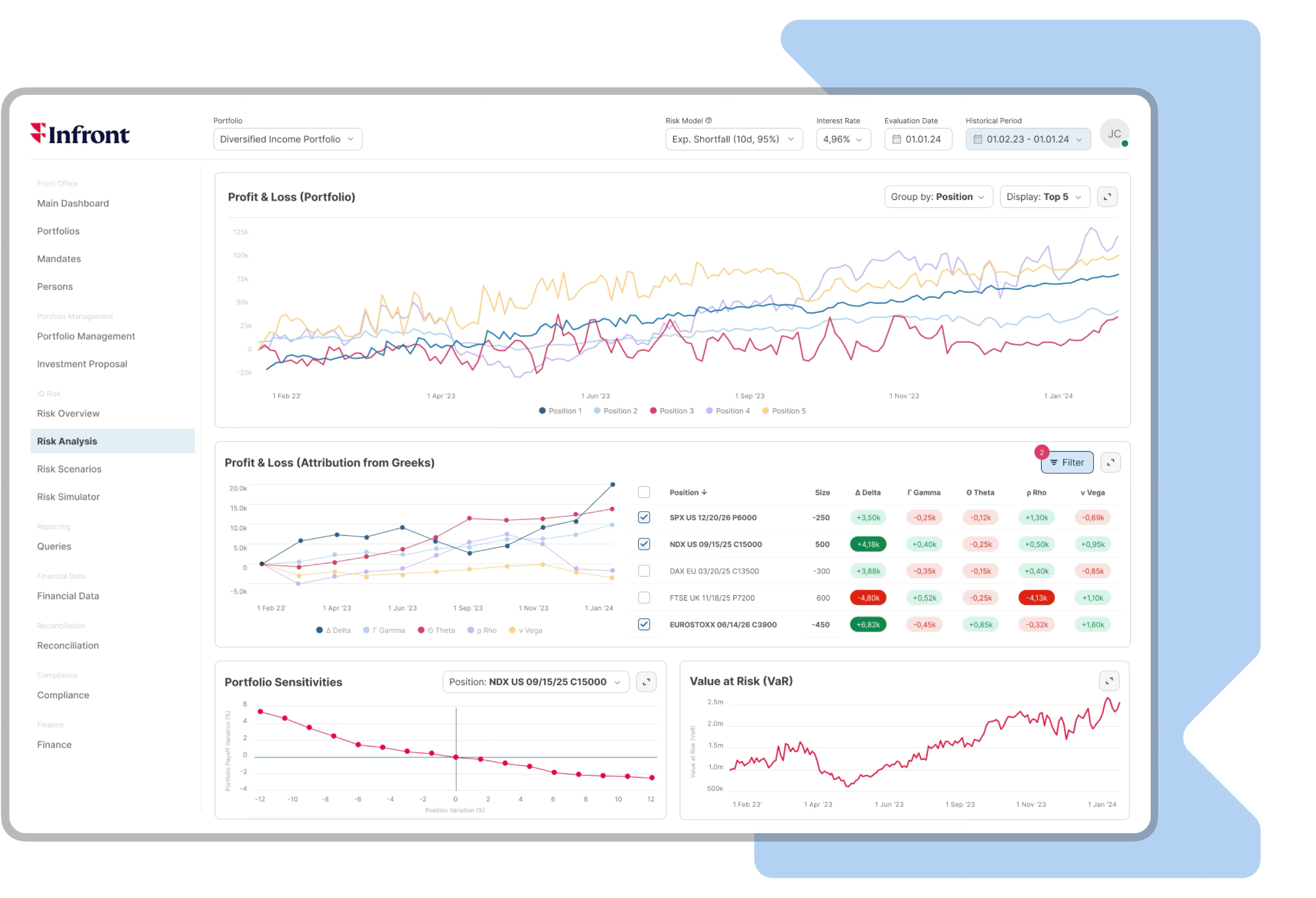
KARBV pricing requires GUI-based platforms for processing daily outliers that streamline second assessor workflows while maintaining complete audit trails.
3. PRIIPs: Standardised Disclosure Requirements
The EU’s PRIIPs regulation requires standardised key information documents for packaged retail and insurance-based investment products. This means calculating specific risk indicators, generating performance scenarios under prescribed methodologies and disclosing all costs using standardised approaches that enable investor comparison across products.
Key Compliance Actions:
- Calculate Summary Risk Indicator (SRI) using prescribed methodology
- Generate performance scenarios under regulatory specifications
- Calculate and disclose all costs using Reduction in Yield (RIY) methodology
- Update KIDs when material changes occur
- Maintain full calculation audit trail
- Implement template management for multi-language document generation
Common Pitfalls:
- Manual KID creation leading to calculation errors and methodology inconsistencies
- Inability to process high volumes of products efficiently (institutions may need to generate hundreds of thousands of documents monthly)
Best Practice:
PRIIPs calculation demands automation capable of processing millions of calculations daily while maintaining methodological consistency. The solution should offer workflow-based template management for multi-language document generation and flexible distribution channels.
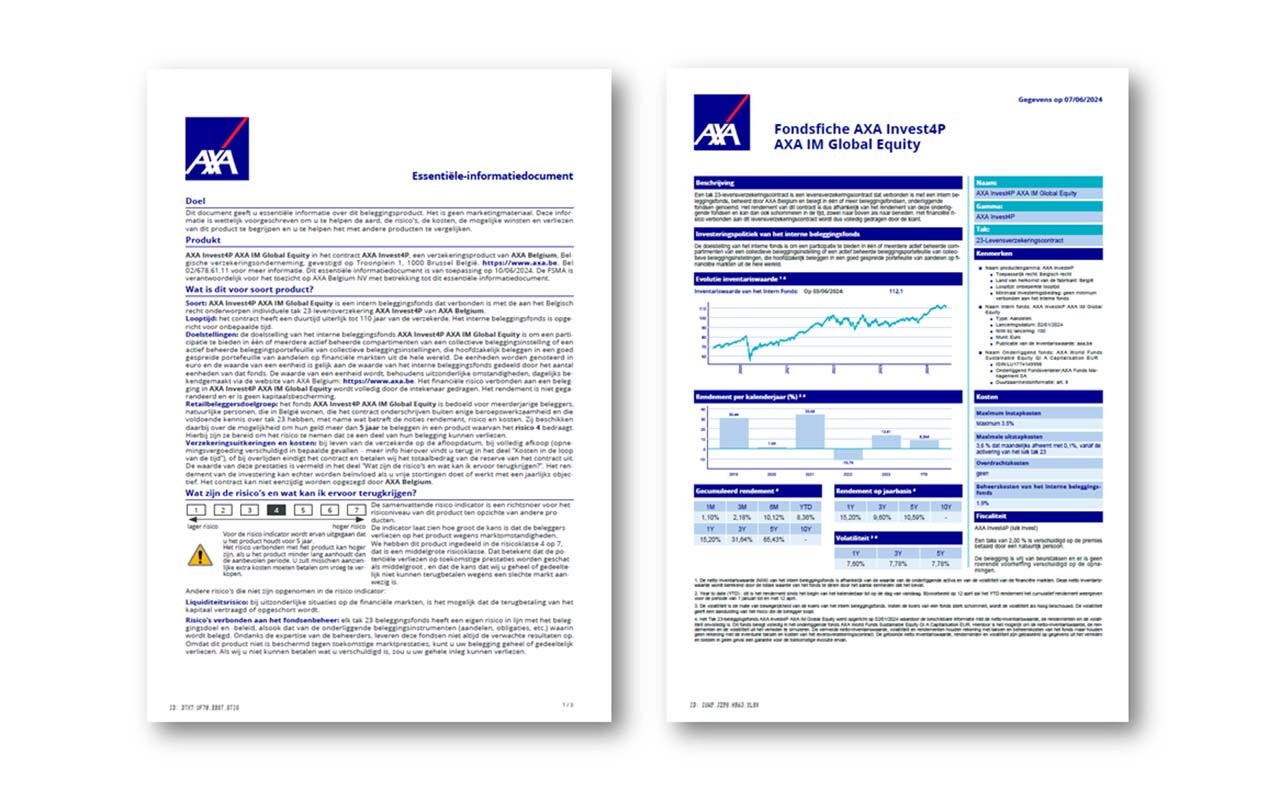 PRIIPs regulation gives investors a simple snapshot of what they’re buying and the risks involved
4. MiFID II: Transaction Reporting and Cost Transparency
MiFID II transaction reporting requirements mandate detailed cost disclosure to clients, systematic best execution analysis and transaction cost calculations using standardised methodologies. These requirements create significant operational demands, particularly for firms executing across multiple venues and asset classes.
Key Compliance Actions:
- Calculate Transaction Cost Calculations (TCC) using standardised methodologies
- Conduct systematic Best Execution Analysis
- Document execution quality across venues
- Provide granular cost breakdowns to clients
Common Pitfalls:
- Inconsistent TCC calculation methodologies across different asset classes
- Manual processes that can't scale with trading volume
- Insufficient benchmark data for illiquid instruments making best execution analysis difficult
Best Practice:
A modular regulatory feed solution handles Transaction Cost Calculations, Best Execution Analysis and Market Conformity Checks through a single platform with consistent methodology. Integration with your IAS39 feed and KARBV pricing ensures consistency across valuation, transaction cost analysis and best execution reporting.
5. SFDR: Sustainability Disclosure Regulation
The Sustainable Finance Disclosure Regulation (SFDR) mandates disclosure of sustainability risks, adverse impacts and ESG characteristics for financial products. With scrutiny intensifying in 2026, firms must demonstrate robust processes for calculating Principal Adverse Impact indicators, classifying products appropriately and ensuring data quality across their ESG metrics.
Key Compliance Actions:
- Classify all products under appropriate SFDR article (6, 8, or 9)
- Calculate and disclose Principal Adverse Impact (PAI) indicators
- Ensure data quality for ESG metrics across portfolios
- Document "do no significant harm" assessments for Article 8/9 products
- Prepare for regulatory technical standards (RTS) updates
Common Pitfalls:
- Inconsistent ESG data coverage across portfolio holdings
- Greenwashing risk from sustainability claims that exceed actual data quality
- Manual aggregation of PAI indicators leading to calculation errors
Best Practice:
Effective SFDR compliance requires integrating ESG data into your core valuation and reporting infrastructure, enabling automated PAI calculations while ensuring consistency between portfolio management and client disclosures.
6. DORA: Digital Operational Resilience Act
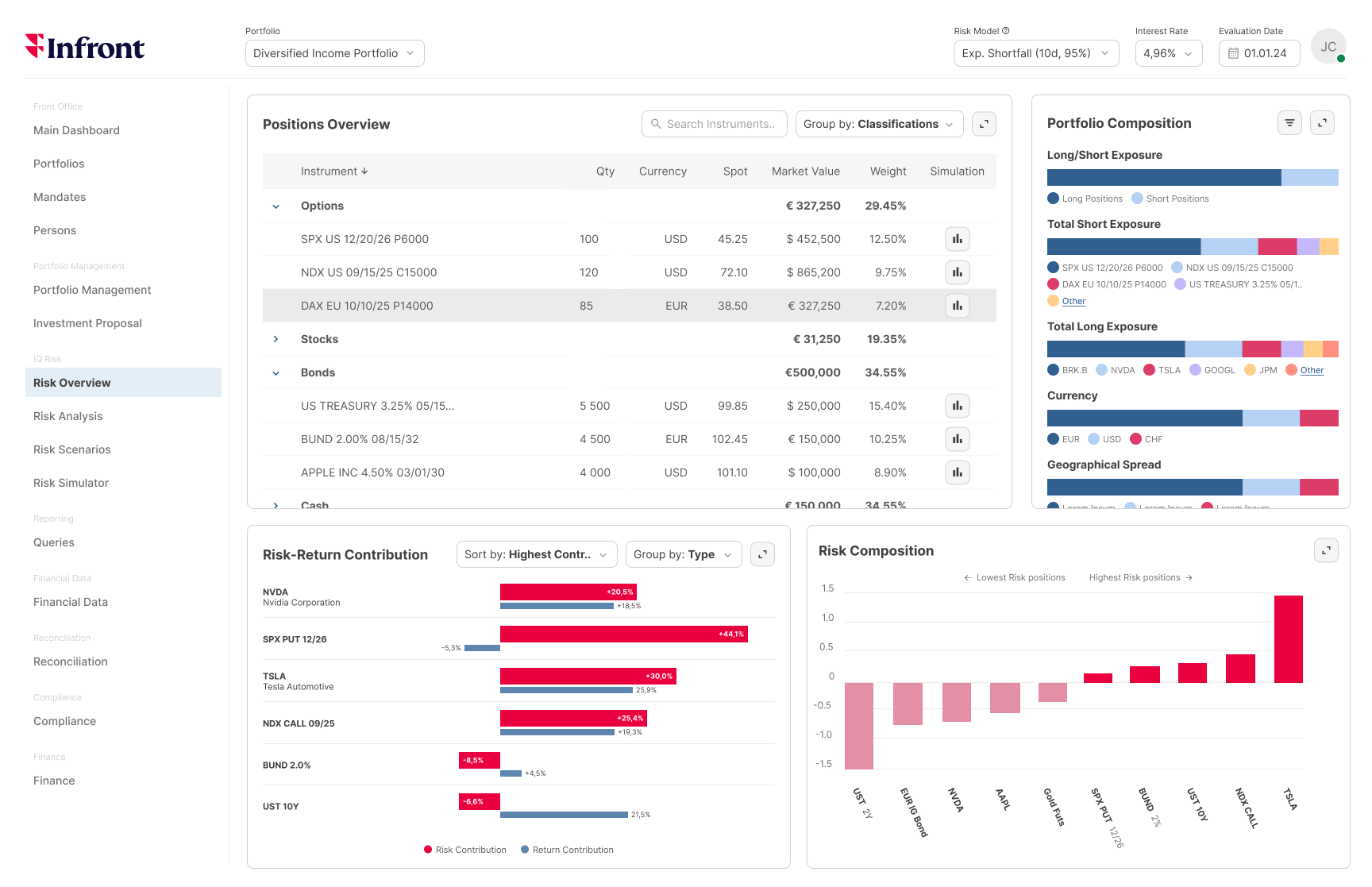
Since January 2025, financial institutions must demonstrate robust ICT risk management, including comprehensive oversight of third-party service providers. The EU’s Digital Operational Resilience Act (DORA) fundamentally changes how firms approach technology resilience, vendor management and operational risk.
Key Compliance Actions:
- Complete ICT risk assessment for all critical systems
- Document business continuity and disaster recovery plans
- Establish third-party risk management framework for all service providers
- Conduct regular penetration testing
- Implement incident reporting procedures
- Ensure third-party providers meet required standards and processes
Common Pitfalls:
- Underestimating the scope of third-party dependencies during risk assessments
- Insufficient testing of backup systems and disaster recovery plans
- Incomplete vendor due diligence documentation
Best Practice:
Select service providers with DORA-ready architectures: adequate security standards, documented business continuity management, regular audits and transparent operational risk reporting.
Looking Ahead: What to Watch in 2026
Regulatory requirements will continue evolving, with several updates to look out for in the coming months. MiFID III implementation brings enhanced cost transparency requirements. SFDR refinements aligning with EU Taxonomy on sustainable activities come into full effect. Basel IV implementation affects capital calculations.
Conclusion: From Burden to Strategic Asset
Meeting regulatory requirements doesn't require manual struggle and spiralling costs. With appropriate infrastructure and the right partner, compliance should be streamlined and automated, reducing operational risk while freeing teams for higher-value work.
The institutions thriving under today's regulatory regime have invested in scalable, transparent platforms that adapt as requirements evolve. They've automated routine calculations, while maintaining human oversight where judgment matters most.
As you assess your compliance readiness for 2026 and beyond, consider whether your current systems can scale with growing complexity of financial products, whether you have full transparency and audit trails for all valuations, whether you can adapt quickly to regulatory changes and whether fragmented vendor relationships are driving unnecessary costs.
Ready to streamline your regulatory reporting? Learn how leading European institutions have transformed their valuation and compliance workflows with automated, audit-ready solutions trusted by over 70 clients across Europe.
This article was last updated in November 2025. While every effort has been made to ensure accuracy, this article is intended as an introduction to the topic and not exhaustive advice. Undertake your own research and consult the regulatory authorities in the relevant jurisdictions for the latest information.