
2 JANUARY 2023
Data – trends to watch in 2023 and beyond

We live in a fast-paced world. Business environments are rapidly changing or evolving and are highly dependent on data collection and data analysis. “Big data analytics”, “data science”, and “artificial intelligence” are more than buzz words.
In fact, they are the key factors that are transforming the way businesses are run across the world. With more businesses implementing data-driven models, the data analytics industry is growing steadily. When the Covid-19 pandemic broke out data analytics started to play an even more prominent role forecasting, analysing and interpreting data to estimate what would happen in the future.
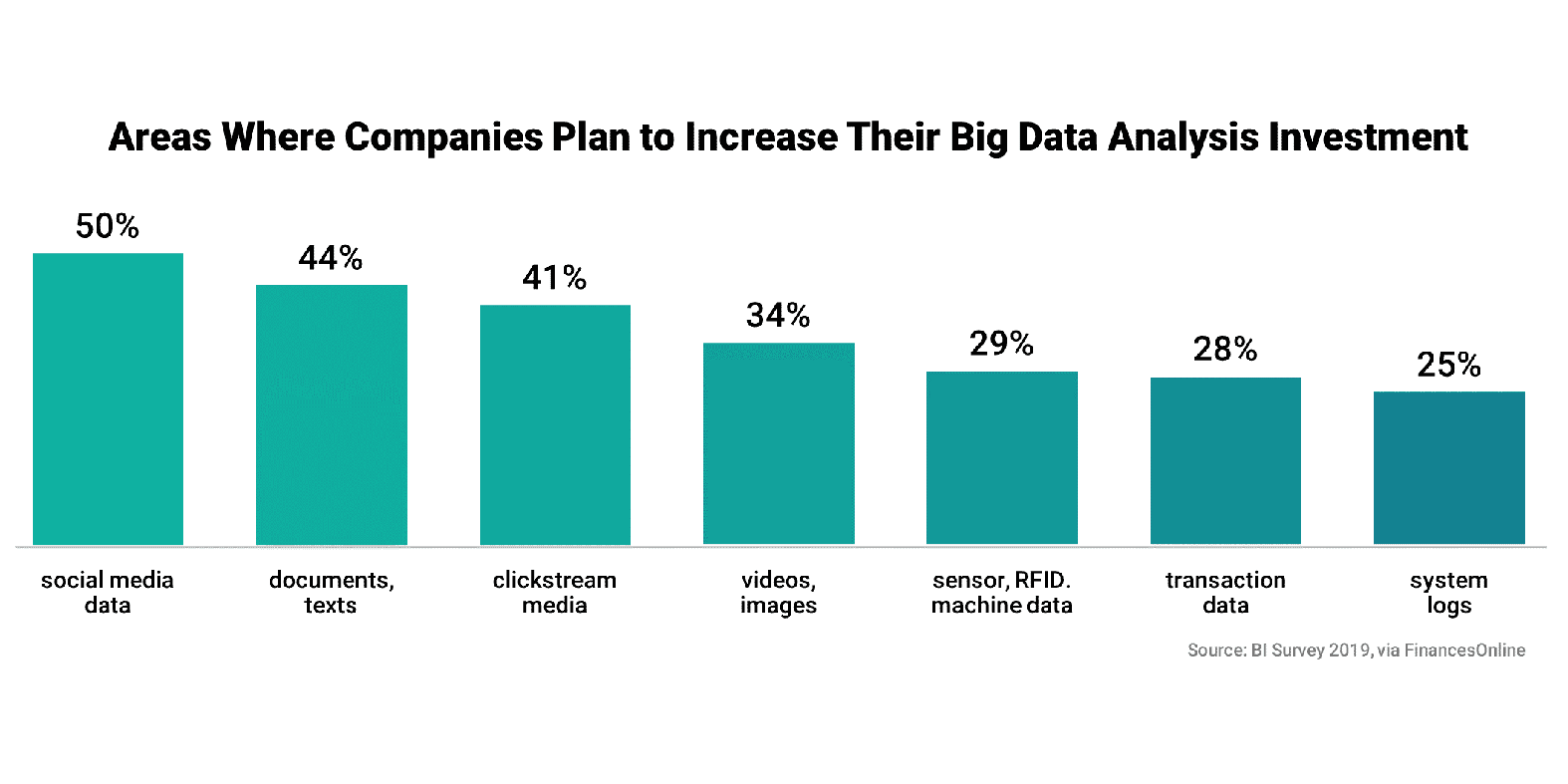
Capabilities for gathering data have developed to the highest levels. But abilities to analyse, evaluate and use it properly still lags far behind. So, is it wise to store and collect huge volumes of data if we are not able to transform these into knowledge?
Most businesses and sectors are still struggling with the underlying process of transforming data into knowledge. There are certainly some advances in data selection, data pre-processing, data mining and even evaluation. But the most critical factor on generating value by information transmission is correct data interpretation. Since the number of data sources are increasing continuously and the associated amount of data points are exploding, we need efficient, adaptable and highly scalable instruments to filter and evaluate the information.
Changing consumer expectations
Customer expectations are driving digital change without any doubt. Most consumers believe that customer service plays a key role when it comes to brand loyalty. Time and resource constraints frustrate customers and give a worse customer experience. So financial institutions need to transform from the inside out to remain competitive.
We see an increasing daily use of AI – changing smartphone usage habits, Alexa, Siri, Google assistants, online translators – often without users being aware that AI is involved. Businesses need to uncover these data and AI opportunities to transform their operations to remain cost efficient and competitive, and most important of all to generate added value for their clients. Smaller corporations might use the gathered data to take advantage of niche or local markets. Real-time analytics gain more traction as well as simplified access as customers can access the data using any device and from anywhere in the world and they expect their counterparts to offer no less than that possibility. It is imperative to provide on-demand communication services to ensure high reliability, robust scalability and availability of trustworthy data.
Digital transformation and AI
Digital transformation is the accelerator of technology all over the world. All these digital processes create and distribute data. Digital transformation goes hand in hand with the Internet of Things (IoT), artificial intelligence (AI), machine learning, and big data.
In recent research, Statista reports that IoT-connected devices are expected to reach about over 25 billion in 2030 from 10 billion devices in 2021 (Statista, 2021). All those devices create data and leave digital traces.
Digital technology also continues to drive change within businesses. Artificial Intelligence (AI) is projected to reduce bank operating costs by 22% around 2030. That could mean savings to the tune of $1 trillion ahead, according to financial research firm Autonomous. Today, AI can already handle unstructured information such as images, video, audio, location, customer inquiries and time series data perfectly well. There are even AI-based solutions able to detect fraud, assess creditworthiness and risks, or identify a person based on their digital footprint. In the insurance sector, those solutions help identify insurance fraud, automate claims cases, and improve risk management.
But cost-savings are only one part of the picture. By using AI-driven chatbots, banks can create value for their customers. They can enhance customer relationships and experiences by offering a personalized user experience in real-time. Happy clients are more likely to place an order or invest. But of course, there is a downside as potential employers will have trouble acquiring AI-knowledgeable talent. Banks and asset managers will have to compete against the tech giants in the AI talent war.
Another AI product category that’s extremely popular among banks and financial companies is a virtual assistant. Just like bots, they help walk the user through the bank’s services and products, improving the user journey, providing insights and displaying specific calls-to-action to increase conversions. As the market and customers continue to demand easier and faster transactions, emerging technologies such as AI and machine learning will remain crucial for the financial sector.
One more application in finance is using AI to analyse news according to predefined parameters, interpreted through natural language processing and translated into sentiment values using multidimensional filters. Underlying patterns are then recognised by an algorithm and buy or sell signals are derived from them, which in turn are translated into investment decisions.
Data-as-a-Service (DaaS)
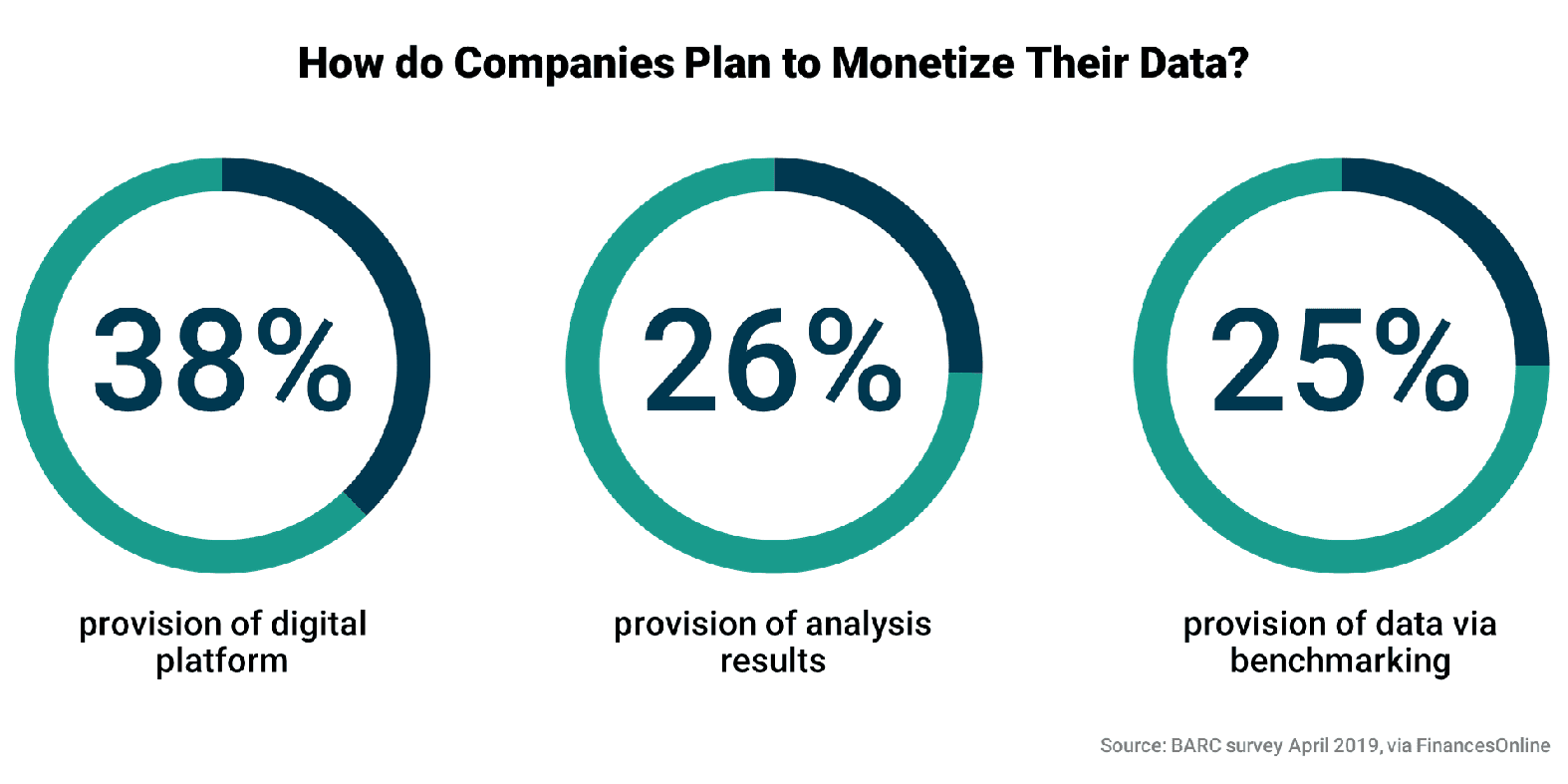
Businesses all over the world have a good understanding of the benefits data offers for corporate success and the challenge such a large volume of data poses. Data-as-a-Service (DaaS) is a technology that encourages users to use and access digital assets over the internet and it is based on cloud technology.
Since the pandemic, DaaS sectors have risen significantly and it is anticipated that by 2023 they will be worth $11 billion. As a side effect, organizations can benefit from moving their data to the cloud since it enables them to cut costs, increase efficiency in various areas, and rely on external services to address security concerns. So, according to several sources one of the most important big data trends is to keep pushing for further cloud migration and decrease reliance on on-premises data centres. The only thing they must be aware of is how they handle extremely sensitive data. This question may yet bring about significant changes in the cloud.
Data governance
Data governance manages data access globally. In many countries around the globe there have been regulations or laws passed that emphasise data governance and proper management of consumer data, like the European GDPR, Canadian PIPEDA, and Chinese PIPL. Other countries are now likely to follow suit and introduce legislation protecting the data of their citizens. Gartner has predicted that by 2023, 65% of the world’s population will be covered by regulations similar to GDPR since it is crucial to increase consumer data safety.
For businesses this means they need to ensure good governance of their data, no matter where they are based. This means ensuring their internal data processing and handling procedures are well documented and understood. And auditing what information they have, how it is collected, where it is stored, and what is done with it. To begin with this will cause more work but in the long term it might benefit businesses as consumers will be more willing to trust organizations with their data if they are sure it is well looked after. The challenge this poses can be seen by the latest statistics from Statista who report that during the third quarter of 2022, internet users worldwide experienced approximately 15 million data breaches. This is up by 167 per cent compared to the previous quarter. Since Statista started recording, the highest number of data breaches was detected in the fourth quarter of 2020: nearly 125 million cases.
Key takeaways: Infront’s view on data trends in 2023
- Big data has truly become “big”, but the amount of information still outstrips our ability to analyze it effectively and use it for positive, real-world outcomes. More and more data projects will focus on closing this gap
- More countries are following the example of Europe’s GDPR and passing legislation concerning the collection and processing of customer data. The trend for data legislation will be that it starts to equalize across more regions, and investment by businesses should pay off with increased trust
If you want to know more trends and developments with regard to data please check out the following links:
Data Analytics – Gartner
Top 5 technology trends for 2023 – Pitchly
Top 10 future analytics trends in 2023 – Data Science Central