
17 DECember 2025
Beyond Borders and Algorithms: Wealth Management Trends for 2026

The wealth management industry is entering 2026 at a pivotal moment. Structural pressures that have been building for years – technological acceleration, regulatory intensity, and evolving client expectations – are now converging. The result is a fundamental reshaping of how wealth managers create value, operate across borders and engage with clients. For firms willing to adapt, the coming years offer significant opportunity. For those that hesitate, the gap will widen quickly.
Drawing on market developments, regulatory shifts, and technological advances, we've identified several interconnected trends that will define wealth management in 2026.
1. AI-Driven Personalisation
Artificial intelligence is rapidly moving from experimentation to everyday application in wealth management. By analyzing vast volumes of market data and client information in real time, AI-driven personalization at scale enables a level of tailored service that was previously limited to ultra-high-net-worth (UHNW) clients. Tools such as intelligent chatbots and platforms such as Model Context Protocol (MCP) are making this transformation tangible.
What's crucial is that the most successful implementations use AI to augment advisers, not replace them. By automating reporting, monitoring, and compliance-heavy tasks, AI frees up advisers to focus on relationship management, strategic conversations, and nuanced advice. Human judgement, trust, and empathy remain central – AI simply enhances consistency, speed, and scale. When used responsibly, it allows advisers to deliver more relevant insights while concentrating on what clients value most.
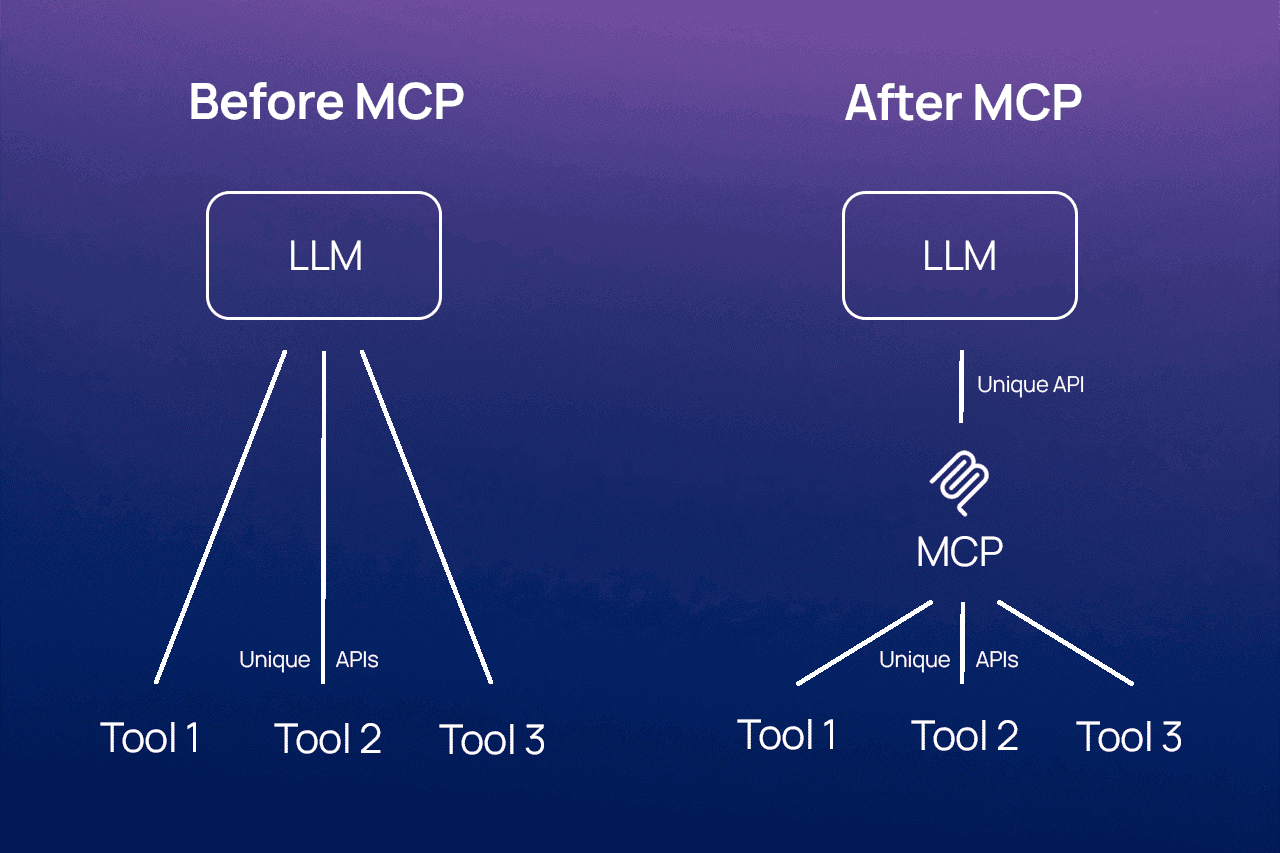 How MCP works in a technology stack
2. Managing Wealth Across Borders
High-net-worth individuals are increasingly mobile, relocating for lifestyle, business or tax reasons. Destinations like Dubai, Switzerland, Portugal and Monaco continue to attract wealth. This mobility is now a core feature of modern wealth management rather than a niche exception.
For advisers, cross-border moves can expose operational weaknesses overnight. Custody arrangements, tax treatment, regulatory permissions and portfolio suitability can all change suddenly. Firms that can't support clients seamlessly across jurisdictions risk losing both the relationship and the assets.
The winners will be those that turn cross-border complexity into a competitive advantage. Access to real-time regulatory intelligence is becoming essential. Multi-custody architectures and consolidated portfolio views, combined with real-time regulatory intelligence, allow advisers to maintain continuity and confidence as clients move between jurisdictions. Technology that flags permissions, restrictions and suitability in real time reduces risk while improving the client experience – an area where Infront continues to invest heavily.
3. Open Finance, APIs and Ecosystem Thinking
Open finance and API-driven ecosystems are breaking down traditional data silos. Through APIs, wealth managers can securely connect banking, investment, pension and alternative asset data into a single, comprehensive client view. This enables smoother onboarding, more accurate advice and faster service delivery.
Cloud-based platforms further lower barriers to innovation, making advanced analytics and AI accessible without heavy upfront investment. As ecosystems become more interconnected, firms face a strategic choice: act as orchestrators delivering end-to-end solutions, or position themselves as premium specialists within broader networks. Either way, openness and interoperability are becoming essential capabilities rather than optional extras.
4. The Private Savings Gap
Across Europe, pressure on public pension systems continues to intensify due to ageing populations and fiscal constraints, widening Europe's growing private savings gap. The gap between expected retirement income and future living standards is widening, driving greater awareness of the need for private savings and long-term investment.
For wealth managers, this represents a structural growth opportunity. A new generation of clients is engaging earlier, seeking education, digital tools and disciplined guidance. Firms that combine intuitive technology with trusted advice are well-positioned to build durable, multi-decade client relationships in this expanding market.
 Only 45% of Europeans feel financially confident in their retirement, according to EIOPA
5. Tokenization Arrives
Tokenization of real-world assets is transitioning from concept to reality. The anticipated public listings of major digital asset platforms in 2026 signal growing mainstream acceptance. Tokenized assets are unlocking liquidity in traditionally illiquid markets such as real estate, private equity, and infrastructure, while broadening access for a wider investor base.
However, greater liquidity brings greater volatility. Understanding price discovery and volatility dynamics becomes critical. Faster price discovery creates both risks and opportunities, particularly for active management and tactical allocation. Wealth managers who grasp this dynamic – accessibility combined with volatility – will be best positioned to harness tokenization while managing risk effectively.
6. Consolidation Continues
Scale is becoming less of a strategic advantage and more of a basic requirement. Rising regulatory complexity and compliance requirements, combined with ongoing investment in technology, are pushing fixed costs steadily upward. This is accelerating consolidation across the industry, particularly in Europe where margin pressure remains intense.
Larger institutions are better positioned to absorb these costs, invest in modern platforms, and meet regulatory demands. However, consolidation doesn't automatically spell the end for independent or boutique firms. Those with a clear strategic focus – whether through specialization, partnerships, or shared technology platforms – can remain competitive. The key question is no longer whether consolidation will continue, but which firms can adapt their business models fast enough to thrive within it. Infront's modular platform approach is designed to support both large institutions and specialised players navigating this reality.
Looking Beyond 2026
All these trends aren't isolated developments, but reinforce one another, reshaping both client expectations and operational requirements. Success in 2026 will belong to firms that view these forces as opportunities rather than threats.
Technology alone isn't the answer. What matters is how technology is applied: to simplify complexity, empower advisers, and deliver clarity to clients in an increasingly complex world. With the right strategic vision and trusted technology partners, wealth managers can enhance resilience, deepen client relationships, and build scalable models for long-term growth. At Infront, we remain committed to supporting that journey, providing the data, platforms, and insights wealth managers need to stay ahead in a rapidly evolving landscape.
For more research and insights into the themes shaping the future of wealth management, plus strategies firms can adopt, read our report: The European Wealth Playbook for Growth.